viernes, 12 de junio de 2020

Lengua. Lectura y expresión oral (videollamada)

Hola a todos y todas.
Siguiendo el plan de trabajo, hoy tenéis que leer.
Con el libro de los "Los invencibles" hemos terminado las lecturas obligatorias del tercer trimestre, por lo que os dejamos a vuestra elección la lectura de un nuevo libro.
Aquí os indicamos el enlace a una página web con montones de libros para que no dejéis de leer, están a vuestra disposición.

Siguiendo el plan de trabajo, hoy tenéis que leer.
Con el libro de los "Los invencibles" hemos terminado las lecturas obligatorias del tercer trimestre, por lo que os dejamos a vuestra elección la lectura de un nuevo libro.
Aquí os indicamos el enlace a una página web con montones de libros para que no dejéis de leer, están a vuestra disposición.

Es importante que sigáis practicando la lectura en voz alta,
como hacemos en clase.
¡No dejes de leer!
También, os recordamos que hoy a las 12.00 horas de la mañana tendremos la videollamada, a la cual podréis acceder a través del siguiente enlace:
Con esta videollamada llevaremos a cabo tutoría, la cual nos servirá para practicar la expresión oral. Es importante que sigáis las instrucciones de uso que os pusimos sobre el programa Jitsi Meet para no tener problemas, buscarlas en la etiqueta de videollamadas.
Con esta videollamada llevaremos a cabo tutoría, la cual nos servirá para practicar la expresión oral. Es importante que sigáis las instrucciones de uso que os pusimos sobre el programa Jitsi Meet para no tener problemas, buscarlas en la etiqueta de videollamadas.
¡Hasta dentro de un rato!
jueves, 11 de junio de 2020
Telegraduación: materiales


Ya queda menos para el día de la telegraduación pero antes necesitamos que mandéis las siguientes actividades:
1. Tenéis que elaborar un birrete. Podéis seguir las pautas de los siguientes vídeos:
2. Tenéis que elaborar una banda con el escudo del colegio.


3. Tenéis que haceros una foto de la mitad del cuerpo a la cabeza y con un fondo blanco.


- La banda la podéis hacer con tela o con otro material, pero es importante que sea del mismo color, que es este caso es el azul claro. Fijaros en la foto.
- El escudo del colegio, lo podéis dibujar o simplemente pegar en la banda. El escudo lo podéis descargar pinchando aquí: escudo
3. Tenéis que haceros una foto de la mitad del cuerpo a la cabeza y con un fondo blanco.
4. Tenéis que haceros una foto de la mitad del cuerpo a la cabeza con el birrete y la banda que habéis hecho puestos y con un fondo blanco.
5. Elaborar una carta de despedida y una vez hecha os tenéis que grabar en vídeo leyendo la carta.
PAUTAS PARA HACER LA CARTA DE DESPEDIDA EN VÍDEO.
- En la carta tenéis que contar de manera resumida vuestras vivencias en el colegio y con vuestros compañeros y profesores. Y hacer una especie de despedida emotiva. La carta no debe ser muy extensa, ya que, más adelante la tendréis que ampliarla y entregárnosla en papel por correo electrónico.
- La duración del vídeo debe ser de 2 minutos aproximadamente.
¿QUÉ DEBO ENVIAR A MI TUTORA Y CUÁNDO?
- Foto normal mitad del cuerpo y con fondo blanco.
- Foto con el birrete y banda puesto de la mitad del cuerpo y con fondo blanco.
- Vídeo leyendo la carta de despedida que has elaborado.
QUEDA:

La fecha tope de entrega de todas estas tareas debe ser antes del viernes 12 de junio.
No esperéis al último día para entregarnos las cosas, ya que os agradeceríamos mucho que, conforme lo vayáis teniendo nos lo vayáis mandado para que las tutoras podamos ir trabajando en ello.
Un fuerte abrazo.
Ana y Alicia.
Material videollamada
Hola a todos
Mañana tenemos la videollamada y necesitamos que tengáis preparado el siguiente material:
Lápiz o boli
Cuaderno o folios
Y que copiéis en dichos papeles la siguiente tabla:

También podéis imprimirla de aquí
Recogida de material
RECOGIDA DEL MATERIAL
Hola chicos y chicas.
Ya se acaba el cole y para vosotros de verdad, lo siguiente que os toca es el instituto. Para ello como ya os comentamos en la anterior videollamada tenéis que recoger una serie de documentos y además podéis aprovechar para recoger el material que se os haya quedado.
¿Cuándo podemos ir al cole?
Cómo podéis ver en la siguiente imagen ambos sextos tenéis que ir el lunes 29 de junio, eso sí cada clase a una hora para evitar que se junte mucha gente en el centro.

6ºA 29 de junio de 9:00 a 10:30
6ºB 29 de junio de 10:30 a 12:00
¿Quién puede ir?
Solo puede ir UNA PERSONA por familia y tiene que LLEVAR MASCARILLA
Necesitamos que nos digáis por email quienes van a ir, para poder dejar todo bien preparado.
¿Dónde cojo mis cosas?
Para recoger las cosas tenéis que ir al COMEDOR donde las habremos dejado en una bolsa cerrada con vuestro nombre, la documentación os la entregará Isabel la secretaria del cole
¿Tenemos que llevar nosotros algo?
Sí, todos aquellos que tengáis LIBROS DE PRÉSTAMO tenéis que llevar los libros para devolverlos y que os entreguen una hoja diciendo que los habéis devuelto para que el año que viene os presten libros.
Si tenéis algún libro en el cole, este estará dentro de la bolsa con vuestro nombre, por lo que tendréis que sacarlo y entregarlo.
Si tenéis LIBROS DE LA BIBLIOTECA también tenéis que entregarlo.
Así como el LIBRO DE LECTURA que os llevasteis.
Juegos en la videollamada
Hola
Nos gustaría saber a que os gustaría echar una aprtida en la videollamada de este viernes
Science: Travelling around the world: Canada


Today we are going to visit:


Introducing Canada
Facts about Canada
Canada the musical
Canada Facts
Canada Geography
Main sport: ice hockey
Music
Canada Facts For Kids
Interesting Canada Facts
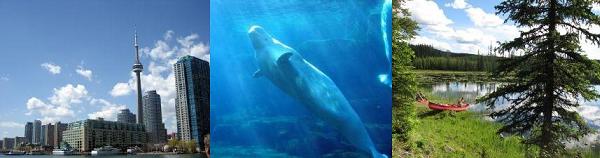
Here are some interesting Canada Facts for Kids which were choosen and reseached by kids especially for kids.

- Population: 36.9 million people (2018)
- Capital: Ottawa 1.3 million inhabitants (2018)
- Name: Canada
- Government: Democracy
- Languages: English, French
- Religion: mainly Christians (Roman Catholics and Protestants)
- Currency: 1 Canadian Dollar (CAD)=100 Canadian cents
- National Symbols: Maple leaf, beaver
- History: Canada's biggest bay, Hudson Bay, was discovered in 1610. Since the 16th century, both French and English kings have ruled over the country. Canada gained independence from Britain in 1867. Today, Queen Elizabeth II of England is also the Queen of Canada and the head of state. The prime minister elected by the people is Justin Trudeau.
Canada Map: Where is Canada?
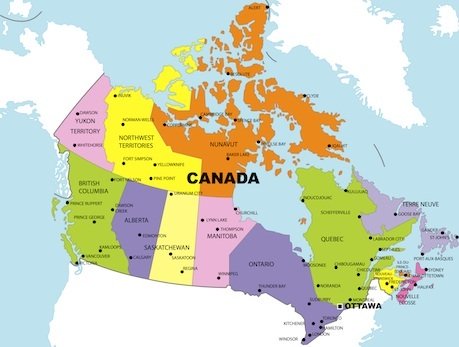
Canada is a country in the northern hemisphere. The country belongs to the North American continent and shares borders with the United States of America. Canada and the USA actually share the longest international border in the world. It is 8,891km/5,525miles long.
The longest part of the border is shared with the US-state of Alaska and is more than 2,475km/1,538miles long.
Canada Geography
- Canada is the second biggest country in the world, after Russia - measured by total area!
- Canada is a sparsely populated country, most of the people live close to the US-Canada border where the main urban areas such as Vancouver, Montreal, Quebec are.
- Canada's longest river is the McKenzie River in the North West. The river is 2,635miles or 4,241km long.
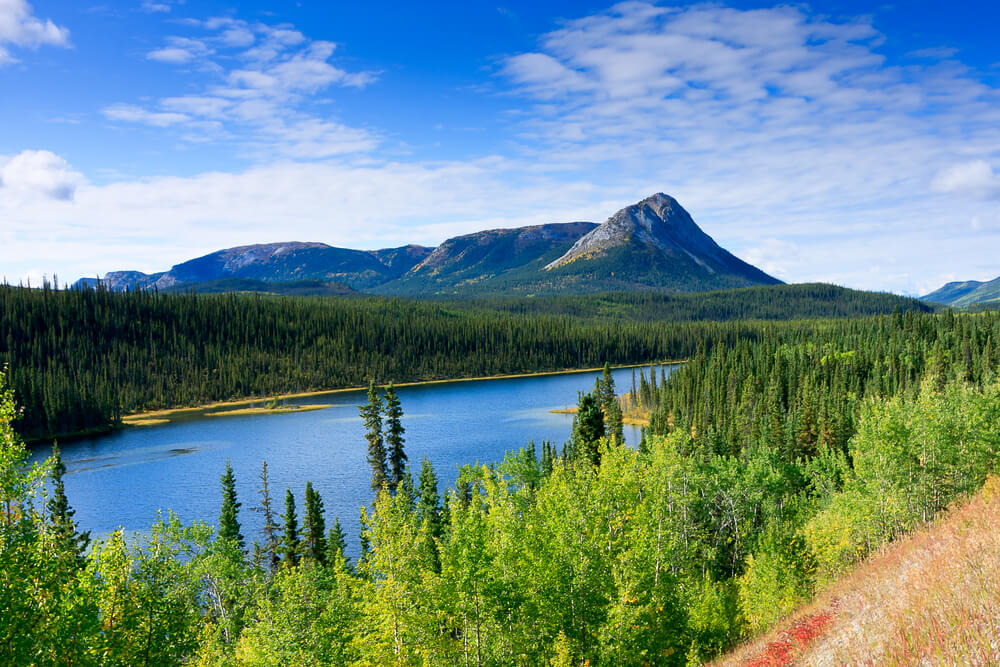
- The highest mountain in Canada is with 19,551ft or 5,959m the Mount Logan in the Yukon Territory at the border with Alaska.
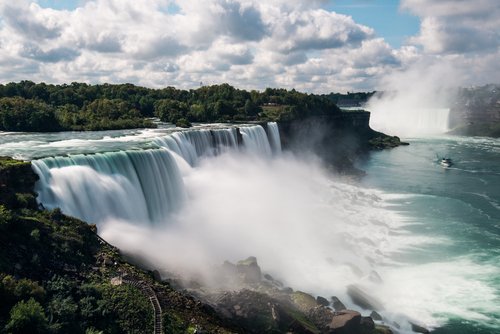
- Canada has the largest waterfalls by water volume. These are the Niagara Falls.
Canada Attractions for Kids
Canada is one of the most popular tourist destinations in the world. There are many attractions for Canada visitors and kids will love to explore the amazing nature and wildlife.
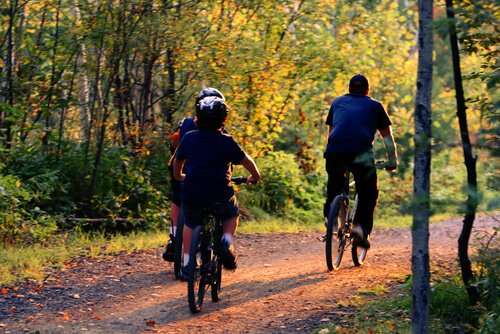
Families also can go on great canoe trips in the national parks or enjoy skiing and snowboarding and other winter fun activities in the mountains. But also the big cities such as Toronto, Quebec and Vancouver have lots to offer to families travelling with kids with stunning museums and wonderful city parks for great outdoor activities such as cycling, climbing, sledging or iceskating.
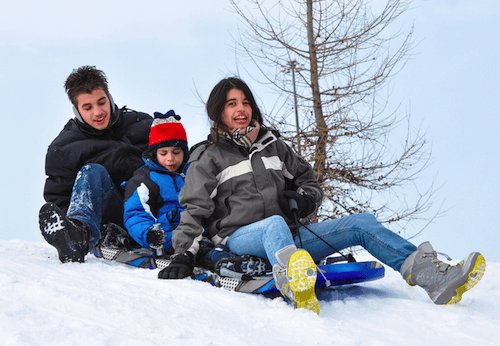
Here are our favorite Canada attractions for kids:
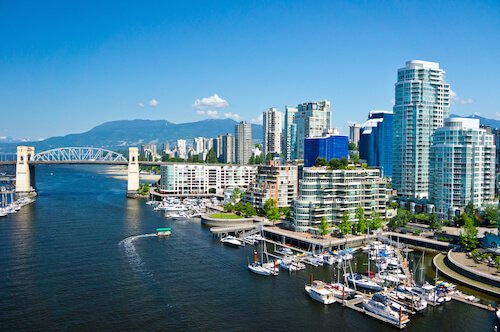
- Vancouver: in the West of the country is great for outdoor sports. The Winter Olympics in 2010 took place in and around Vancouver/British Columbia. In the city, great attractions for children are the Maritime and the Science museums as well as the fantastic Grouse Mountain Skyride or doing the cliff walk and crossing the Capilano River over the Capilano Suspension Bridge.
- Niagara Falls: One of Canada's biggest tourist attractions, they were formed in the last Ice Age. The Niagara Falls are the largest waterfalls in Canada by volume of water.
- Quebec City: The Old Town was founded in 1608. Great to see the Frontenac castle buildings from the 18th and 19th century.
- Toronto: The CN Tower and the Roger's Center are great attractions in this city at the shores of Lake Ontario. The CN Tower is actually the tallest freestanding structure in the western hemisphere, while Roger's Center is a huge stadium and spots the world's first retractable roof.
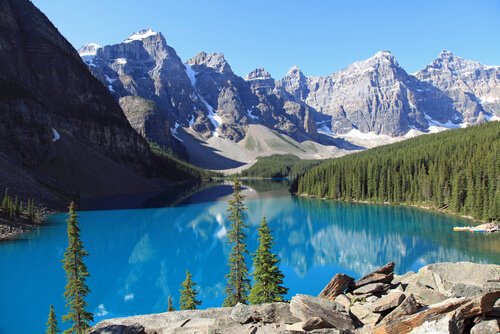
- Banff National Park: Amazing wildlife, make sure to watch your belongings, as bears tend to chew up everything they find laying around, such as stray hiking boots;-) We had our experiences...
Canada Facts for Kids: Economy
- Canada is the second largest oil reserve holder after Saudi Arabia. The province of Alberta leads in the production of oil and natural gas in Canada.
- Canada is the leader in uranium mining. And uranium is used in nuclear power plants for producing electricity.
- The province of Saskatchewan is the main agricultural province in Canada and grows 45% of Canada's grain such as wheat, canola, flax or rye.
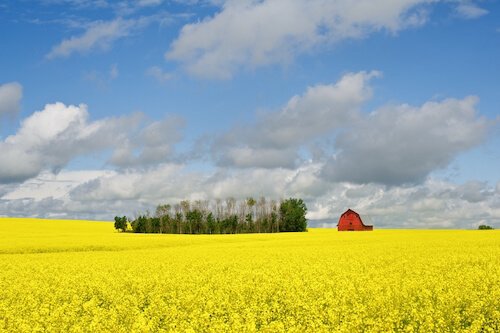
- Canada is the world leader of Hydro Electricity which uses the power of the water to produce electricity.
- Canada is second in sawn softwood production after the USA.
Canada Facts for Kids: Canada People
The Canadian people are called Canadians. Most of the Canadian families have roots in England and France, as during the French and British colonised the country and thus many families from 'the old world' immigrated into Canada.
Canada has two official languages: English and French. Almost half of the population can speak both languages. The majority of Canadians speak English as first language, but French is the main language in the Quebec province. In Quebec also almost half of the population is bilingual, which means that they are able to speak both languages fluently.
- Almost 90% of all Canadians live within 200km/125miles of the Canada-USA border!
- Main languages are English and French
- Inuit are one group of Canada's indigenous people
- Life expectancy at birth is 81 years
- Literacy Rate is 99%
Among the aboriginal people in Canada are the Métis, the First Nations People and the Inuit.
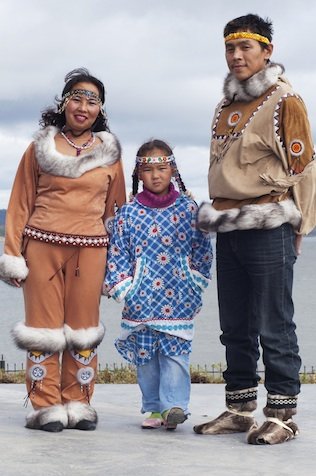
The indigenous people in northern Canada are called 'Inuit'. Inuit people, which were called 'eskimos' previously but this name is not acceptable and pejorative. Today, only 5 in 100 Canadians refer to themselves as 'Inuk' (one of the Inuit people).
The inuit live today in modern houses but still build igloos, especially when hunting. The inuit children go to the community's schools, but there are no universities in the North. So if the children decide to go on studying, they have to leave their communities and move to university cities. In the Inuit language, writing text was only begun in the 19th century before they mainly used symbols for writing.
***
We hope you enjoyed reading out Canada Facts for Kids. Make sure to bookmark this page, as we plan to add on more information. Feel free to contact us if your school would like to work on a school project about Canada (animals, food, people, traditions, games, sport etc.) with us.
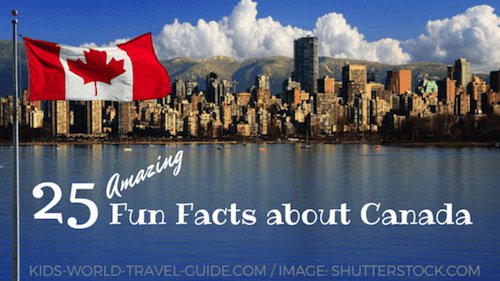
Find 25 more fun facts about Canada here:
Canada Facts for Kids: Resources
- Canada Facts for Kids References: BBC News: Canada Profile latest checked 4 October 2017
- Canada Statistics: Government of Canada official website - archived article - 4 October 2017
- Various Canada Quizzes - 4 October 2017
- Inuit Cultural Online Resource: last accessed 4 October 2017
Picture credits on Canada Facts for Kids: Shutterstock.com and sxc.hu (Clipboard: 1.Meysam Sadat-Mansouri, 2.Sumair ur Rahman and 3.Cindy Pepper)
Suscribirse a:
Entradas (Atom)